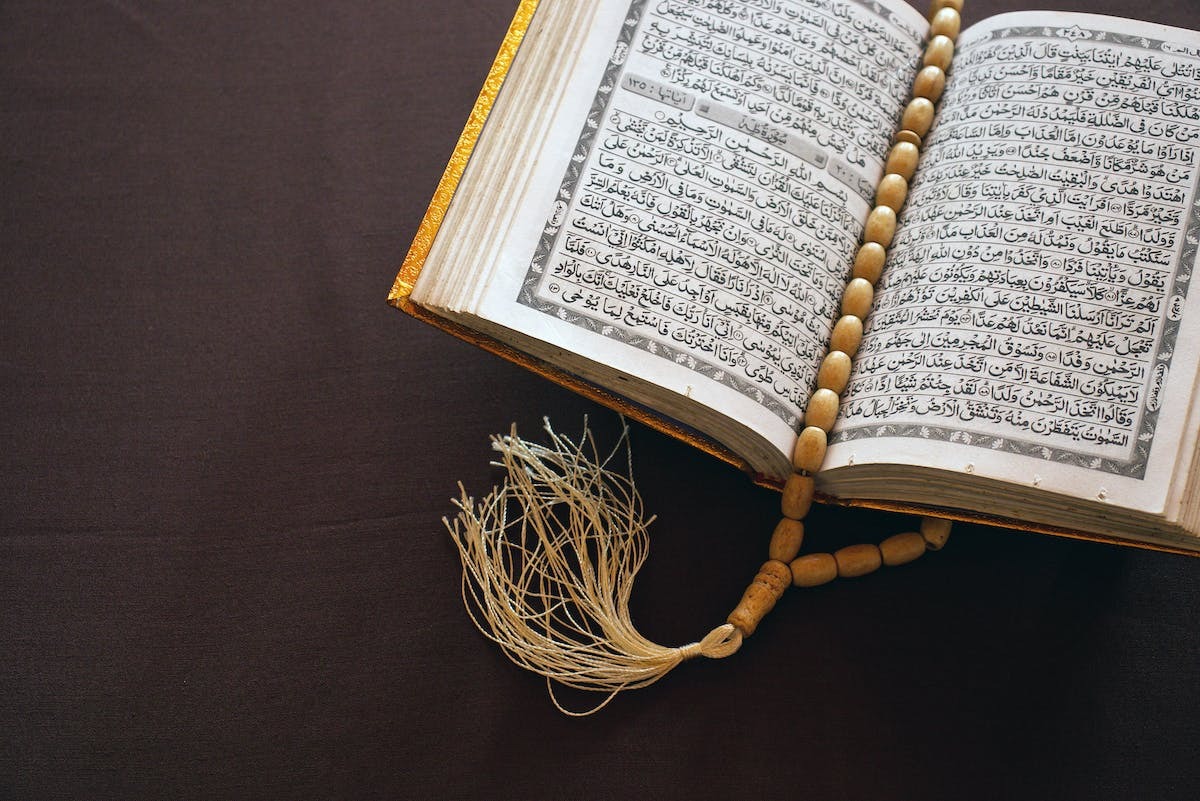
The Quran, the holy book of Islam, is an ocean of wisdom and spirituality. A dive into the depths of this sacred book offers an enriching journey through profound teachings and eternal truths. Understanding the Quran is not merely a quest for knowledge, but also an exploration of oneself and one’s relationship with the divine. Its spiritual richness has the power to transform lives and enlighten minds. The message of the Quran is universal, speaking to the human soul across ages and cultures. It sheds light on questions of life, death, love, justice, and faith.
The Basics of the Quran: An Essential Spiritual Guide
Now, let’s address the often-asked question: ‘how many pages are in the Quran’? An essential aspect to understand before embarking on a reading of the Quran is its length. The number of pages is not uniform; it varies depending on the editions and formats. However, a standard Quran generally contains around 604 pages.
This may seem daunting at first, but each page is an invaluable spiritual treasure. The verses are crafted with precision and delicacy to produce a linguistic beauty that transcends cultures and withstands the test of time. Every word has been meticulously chosen for its sound impact as well as its deep meaning.
The Quranic language is therefore much more than a mere mode of communication; it is a vibrant instrument of emotion and spiritual resonance. The phrases articulate like a harmonious melody that echoes in our souls • provoking reflection, introspection, and sometimes even transformation.
And if you are wondering how to grasp this complex language without prior knowledge of classical Arabic? Rest assured! Today, there is a wide selection of faithful translations available in several languages so that everyone can access these universal teachings contained within these precious approximately 604 pages of the Quran.
A thorough study of the Quranic content promises a rich intellectual and spiritual odyssey where each page offers not only religious guidance but also invites meditation on various existential or philosophical aspects related to our human condition.
No matter your personal journey or individual beliefs; whatever the reason that drives you to turn the pages of the sacred book; ‘how many pages are in the Quran?’ should not be seen as an obstacle but rather as an adventurous invitation to a timeless literary treasure brimming with universal insights.
The Quranic Language: An Unmatched Poetic Beauty
Dive now into the depths of the moral and ethical teachings of the Quran, which are a source of inspiration for millions of believers around the world. The sacred text offers a comprehensive guide for living a just and virtuous life.
At the heart of these teachings lies the fundamental notion of fairness. The Quran urges believers to treat all people with justice, regardless of their religion, ethnic background, or social status. It emphasizes the importance of a society based on solidarity and compassion towards the most vulnerable.
The notion of equality between men and women is also highlighted in the Quran. The Quranic verses stress the mutual respect between spouses, thereby encouraging a relationship based on love, understanding, and balance. They also illuminate the essential role of women in society as mothers, wives, and active members of the community.
The Quran also advocates peace as a central value. It reminds believers that it is forbidden to resort to gratuitous or unjust violence. On the contrary, it encourages peaceful dialogue to resolve conflicts and actively promotes the ongoing search for peaceful solutions at both individual and international levels.
Generosity is another key aspect of the Quran’s teachings. Muslims are encouraged to demonstrate a philanthropic spirit towards those in need through the sharing of material goods, charity, and support for charitable initiatives. This generosity is considered an act of worship towards God.
The Quran urges believers to honor their commitments and to be honest in their interactions with others. Honesty, sincerity, and loyalty are essential values reiterated throughout the sacred text.
The moral and ethical teachings of the Quran are thus a compass to guide Muslims on the path of virtue and integrity. They provide solid benchmarks for living in harmony with oneself, with others, and with the world around us.
Whether you are a believer or simply curious to learn more about this rich spiritual dimension that is Islam, immerse yourself in the attentive reading of the moral and ethical teachings of the Quran.
Morality and Ethics: The Valuable Lessons of the Quran
The regular reading of the Quran has a profound impact on the lives of believers, offering spiritual guidance and a sense of direction in their daily actions. The teachings contained in this sacred book inspire Muslims to live according to the ethical virtues advocated by Islam.
One of the most striking aspects of the Quran’s impact is its ability to strengthen faith. The recitation of Quranic verses, accompanied by deep meditation, allows believers to draw closer to God and establish an intimate relationship with Him. This spiritual connection nourishes their souls and brings them inner peace.
The Quran also plays an essential role in the moral development of Muslims. It offers a framework for discerning right from wrong, thereby encouraging believers to demonstrate moral integrity in all their actions. This sacred text also guides ethical decisions by emphasizing the importance of justice, honesty, and respect for others.
Another significant aspect is the positive influence on behavior. The Quran encourages believers to practice patience when facing adversity or difficulties encountered throughout their journey. It highlights unconditional love for all human beings as the very foundation of interpersonal relationships.
The Quran has a profound impact on the intellectual development of believers. It encourages the pursuit of knowledge, learning, and critical reflection on Islamic teachings. Muslims are encouraged to acquire a deep understanding of the Quran to better grasp its meaning and universal message.
The Quran is much more than just a religious book in the eyes of believers. It is regarded as a source of inspiration, guidance, and personal transformation. Its regular reading allows Muslims to embody the moral values of Islam in their daily lives, thereby creating a better world imbued with compassion, tolerance, and justice.
Whether you are already a follower or simply curious to learn more about the teachings of the Quran, immerse yourself in this enriching experience that illuminates the spiritual path towards a fulfilled and virtuous life.
The Quran: A Transformative Influence in the Lives of Believers
Within the Quran lies a source of timeless wisdom that transcends cultural and linguistic boundaries. Its spiritual richness resides in its ability to touch the human soul and nourish the mind in search of truth. The teachings contained in the Quran offer a profound understanding of human nature, as well as a holistic view of life and the world.
One of the most remarkable aspects of the Quran is its unmatched poetry. Its verses are written with refined, harmonious, and captivating language. Every word is carefully chosen to convey multiple meanings and subtle nuances. The literary beauty of the Quran has inspired countless poets, writers, and artists over the centuries.
The Quran also addresses various topics such as the creation of the universe, free will, the ultimate purpose of human life, and the main moral pillars upon which a just society rests. It offers believers a comprehensive perspective on their earthly existence while highlighting essential values such as altruistic love, universal compassion, and mutual respect.
Among its many ethical virtues taught by the Quran are: religious tolerance, equality between men and women, and the absolute rejection of any form of injustice or social oppression.
This sacred book also contains prophetic narratives that serve as concrete examples of virtuous living. The stories of prophets and past peoples offer lessons of courage, resilience, and hope in the face of trials.
The Quran also encourages the pursuit of scientific knowledge. It invites believers to closely observe the wonders of the universe that testify to divine greatness. This conciliatory approach between science and faith makes the Quran both a spiritual and intellectual guide, allowing believers to evolve in a modern society while preserving their religious identity.
Diving into the spiritual richness of the Quran offers a transformative experience for all those who engage with it with a sincere open mind. This holy book contains timeless teachings that can guide individuals towards a meaningful life, universal love, and personal fulfillment. Whether you are Muslim or non-Muslim, exploring the teachings of the Quran can be a fascinating journey towards inner discovery and spiritual enlightenment.