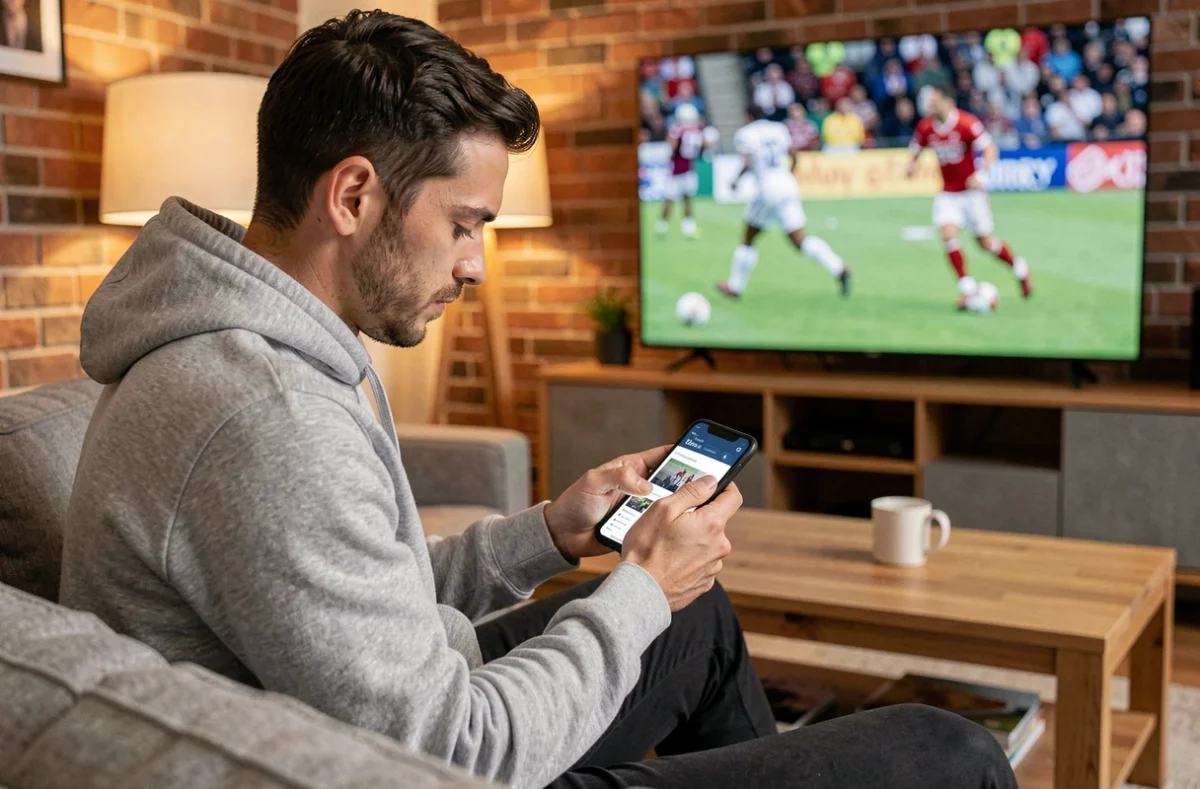
Following sports news in 2026 means navigating dozens of sources, broadcast formats that change from one season to the next, and trends that emerge on social media before they are even confirmed on the field. The question is no longer where to find information, but how to assess its reliability: does a viral TikTok topic reflect genuine fan enthusiasm, or is it the result of an algorithm promoting a single spectacular clip?
Sports news channels: comparing coverage, formats and limitations
Mainstream media, streaming platforms and social networks cover sports in different ways. The table below summarizes the characteristics of each channel to help you cross-check sources rather than choose just one.
| Channel | Content type | Speed | Sports covered | Main limitation |
|---|---|---|---|---|
| News sites (20 Minutes, franceinfo, RMC Sport) | Articles, live scores, video highlights | Almost instant | Football, rugby, tennis, Olympic sports | Limited coverage of lesser-known sports |
| Specialist aggregators (Eurosport, L’Équipe) | Analysis, schedules, results, standings | Real time for scores | Wide range (cycling, athletics, motorsports) | Content often restricted to subscribers |
| Streaming platforms (DAZN, YouTube, Twitch) | Live matches, replays, creator-led formats | Live | Varies depending on acquired rights | Fragmented TV rights |
| Social networks (X, Instagram, TikTok) | Clips, reactions, trends | Immediate | All sports, but selective coverage | Virality ≠ representativeness |
| Official accounts (federations, clubs, leagues) | Press releases, announcements, exclusive live streams | Variable | Specific to the organization | Institutional communications, not analysis |
One thing is clear: no single channel covers every competition and format. Streamers have secured broadcasting rights for certain competitions, such as the Saudi Pro League in France, reaching younger audiences without replacing traditional broadcasters for major competitions.
To browse a news feed covering several sports without opening multiple tabs, Sport At Once news offers centralized access to results and the latest updates.
TV rights and access to matches: sports news in their own right
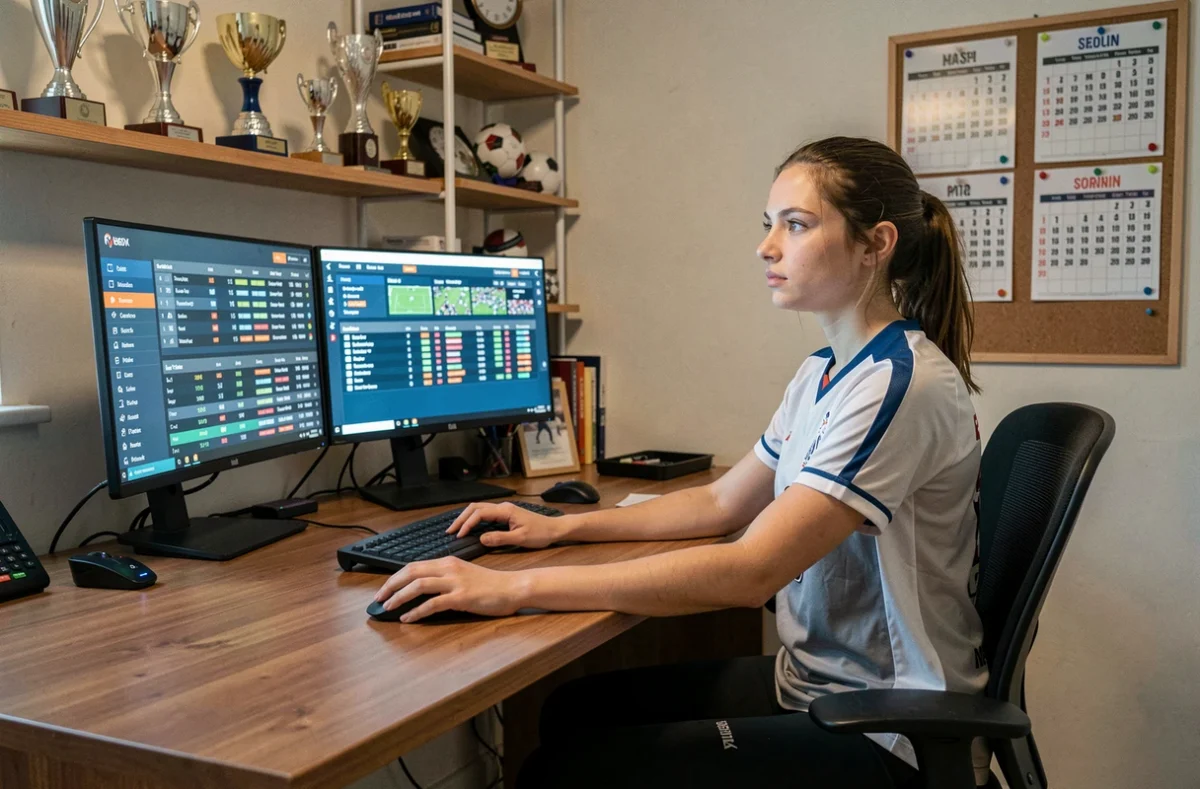
The way we watch a match changes just as quickly as the results themselves. The LFP has launched a tender for Ligue 1 broadcasting rights for the 2027-2032 period, following difficulties with marketing and distribution during the previous cycle. Announcements like this directly affect fans’ day-to-day experience: a league’s broadcaster may change, along with the subscription needed to watch its matches.
Checking official announcements from leagues and broadcasters is now part of following sports, just like checking a results schedule. A Ligue 1 fan who doesn’t keep an eye on these announcements may discover on matchday that their subscription no longer provides access to the games.
Competitions broadcast outside traditional channels
YouTube and Twitch host competitions that receive less coverage from established broadcasters. Following the official accounts of federations and clubs helps you spot live streams and announcements that don’t appear in major news feeds. This is especially useful for niche sports or international qualifying rounds that don’t attract general-interest broadcasters.
Viral trend or lasting movement: how to tell the difference
A padel clip viewed millions of times on Instagram doesn’t mean the sport is booming everywhere in France. Virality and representativeness are two distinct measures. Social media algorithms favor content that generates quick reactions, not content that accurately reflects the state of a sport.
Several indicators can help distinguish a genuine trend from an algorithm-driven surge:
- Federations publish membership figures: an increase confirmed over several seasons carries more weight than a spike in views on a social network.
- Official competition schedules (the Nations League, Masters, AFCON, the France national rugby team schedule) show which events shape the sporting calendar, regardless of their online visibility.
- Announcements of new competition formats by sports governing bodies (such as recent changes to the Champions League or World Cup formats) point to institutional change, not just a passing buzz.
Content widely shared by creators but absent from federation communications or specialist media should be treated with caution. The reverse is also true: some major developments (rule changes, a new qualifying format) go unnoticed on social media even though they transform the sport.
Additional tools for following sports beyond the score
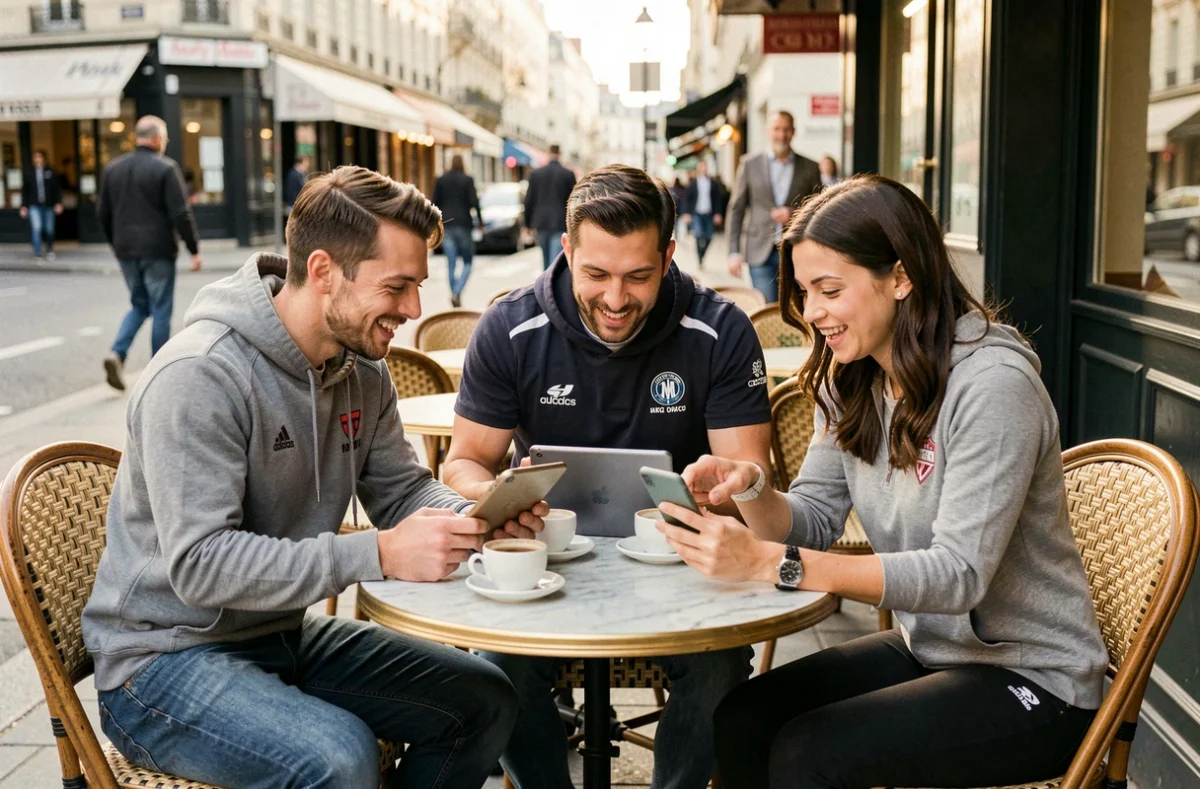
Following a match is no longer just about watching the broadcast. At the 2025 US Open, IBM introduced “Match Chat,” an assistant that can answer questions about matches in progress. This kind of tool reflects a trend toward enriching the live experience with contextual data, although its widespread adoption has yet to be measured.
A few everyday habits can help you stay informed without getting overwhelmed:
- Set up alerts in sports apps for the teams or competitions you follow (the France national team, Ligue 1, rugby, Masters results).
- Cross-check at least two types of sources before treating information as reliable, especially transfer rumors or injury announcements.
- Check official competition schedules (the Nations League, AFCON, the France national team schedule) rather than relying solely on social media notifications.
Social networks: quick access, slow verification
Social networks provide immediate access to reactions and match highlights. They also expose athletes to online abuse. Sharing viral content without checking it contributes to sports misinformation, whether it’s a fake transfer or a clip taken out of context.
The best approach is to use social networks as an early-warning system, then check specialist or official sources before treating information as confirmed.
Following sports in 2026 depends less on choosing a single source than on being able to cross-check channels. Broadcasting rights shift, competition formats evolve, and the line between a genuine trend and an algorithm-driven surge remains the most useful filter for any sports fan who wants to understand what is really happening on the field.