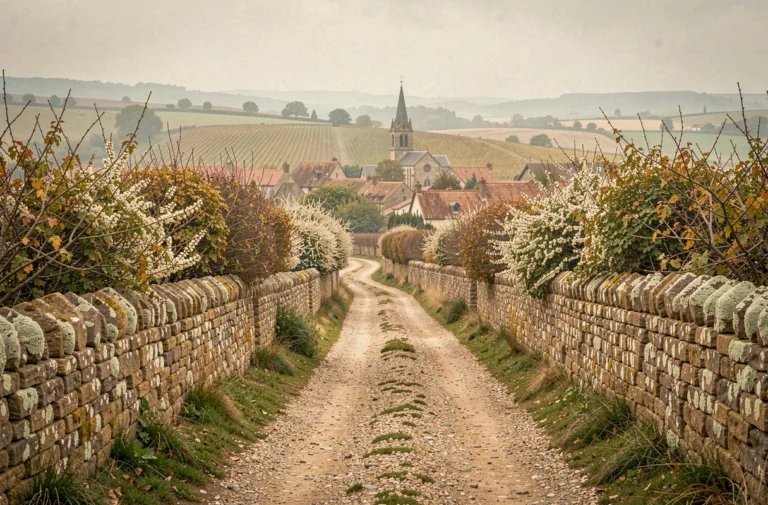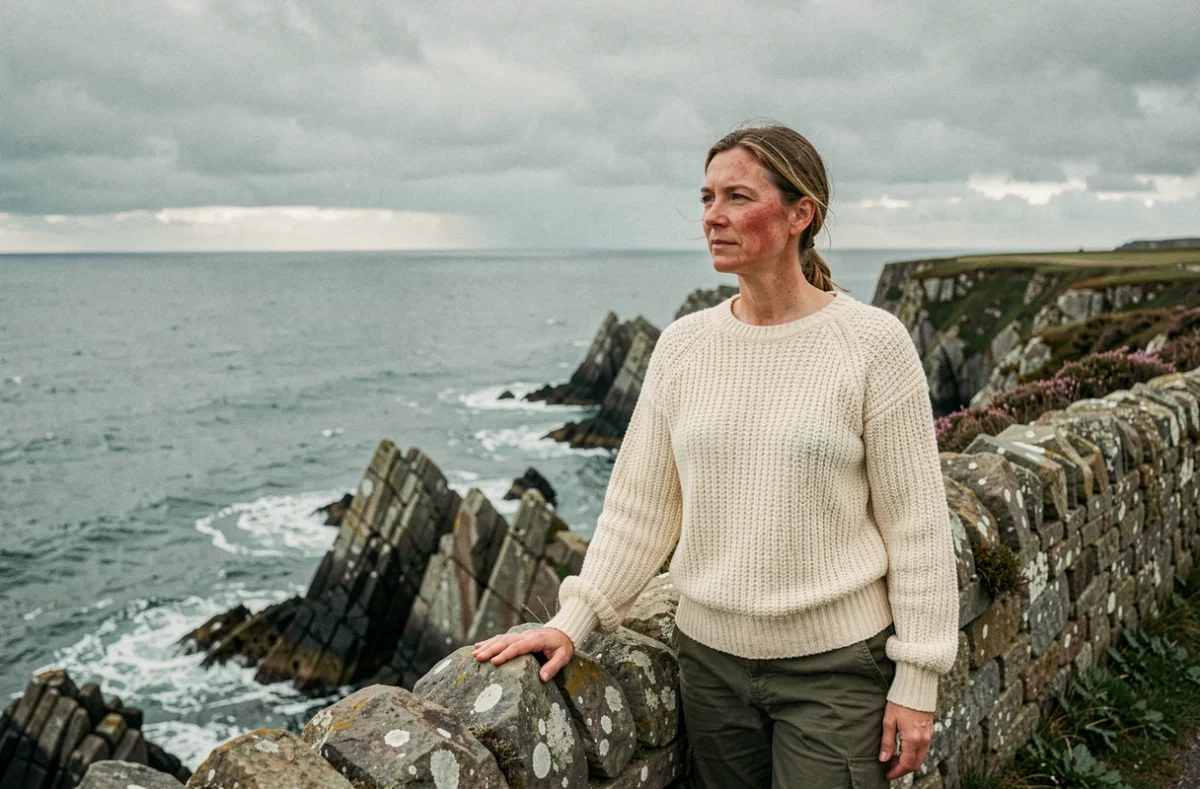
Brittany brings together rugged coastlines, inland forests and built heritage spanning more than a thousand years of history. Summer tourism picked up again in 2025, according to Insee Bretagne, a sign that the region appeals to visitors for more than its reputation as a rainy destination.
Planning a getaway in Brittany means taking a few practical realities into account, particularly the variable quality of bathing water and the logistics of cycling in peak season—two topics rarely covered in traditional guides.
A flexible Brittany getaway: plan for the weather and beach conditions
A Brittany break built entirely around the beach can quickly fall short. Checking local bathing advisories before each outing is the most useful habit for avoiding disappointment.
Planning land-based alternatives helps keep your itinerary on track, even when swimming is not recommended. Brittany has more than enough coastal paths, heritage sites and characterful ports to fill a day without setting foot in the water. For anyone planning a trip focused on nature and heritage, resources such as https://jolie-breizh.fr bring together ideas for experiences suited to this kind of trip.
Having a backup plan for each day is not pessimistic. It is what keeps a Brittany getaway enjoyable, whatever the weather or the condition of the coastline.
Cycling in Brittany: TER logistics and cyclist-friendly stops
Cycling from place to place is one of the best ways to explore Brittany’s landscape, provided you get to grips with the rail logistics. The Baie de Morlaix tourist office notes that bikes can be carried free of charge on TER BreizhGo trains without a reservation outside the summer season. In summer, however, a paid reservation is required, and spaces are limited.
This restriction affects how you plan your trip. Travelling in June or September lets you combine train and bike without restrictions. If you’re setting off in July or August, it’s best to book your TER slots as soon as sales open and plan a route that doesn’t depend on a specific train in case no spaces are available.
Accueil Vélo-certified stops
In Léon, around Roscoff, the tourist office lists accommodation and other businesses certified with the Accueil Vélo label. These stops provide route information, secure bike storage and sometimes basic repair equipment.
- Check that your accommodation has the Accueil Vélo label before booking to ensure there’s suitable storage for a bike loaded with panniers
- Locate repair shops along your route, as isolated villages in central Brittany don’t always have one
- Choose signposted greenways (former railway lines converted into trails) for stages with children or heavy loads
Cycle touring in Brittany isn’t just for athletes. With a well-chosen route and short stages, it suits travellers looking for a slower pace and an immersive experience of the landscape.
Coastal paths and wild landscapes: the GR 34 as your backbone
The GR 34 follows the entire Breton coastline. This former customs officers’ path gives walkers access to stretches of coast that can’t be reached by car. It naturally breaks down into sections of a few hours, making it ideal for a getaway lasting a few days.
Each section of the GR 34 has a distinctly different character, depending on which part of the coast you explore. The pink sandstone cliffs between Perros-Guirec and Ploumanac’h are nothing like the vast sandy tidal flats of the Bay of Saint-Brieuc or the narrow coves of southern Finistère. Choosing a section for its scenery rather than its fame helps you avoid the crowds and makes for a richer experience.
Inland nature: a lesser-known side of Brittany
The forests of Brocéliande, navigable canals and peat bogs of central Brittany offer a different kind of landscape. These areas remain relatively quiet, even in peak season. For a nature-focused trip that goes beyond the coast, spending a day or two inland can change how you see the region.
The steep-sided valleys, such as the Léguer valley in Côtes-d’Armor, are home to distinctive wildlife and plant life. Hiking here means more shade and cooler temperatures than on the coast—an added bonus on hot summer days.
Breton heritage: choose between historic highlights and local immersion
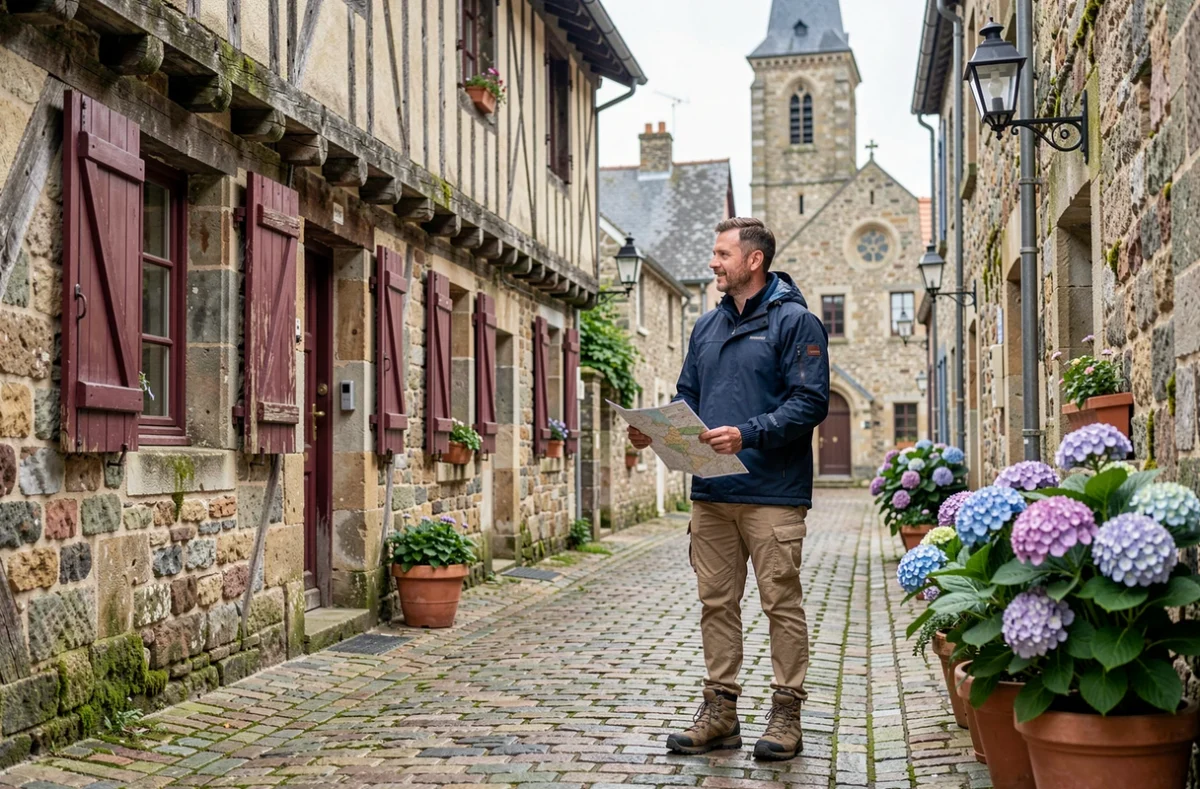
Brittany has several towns designated as Villes d’art et d’histoire (Towns of Art and History). But the most striking Breton heritage is often found off the beaten track: parish enclosures in Finistère, secluded chapels adorned with polychrome altarpieces, and fishing ports whose architecture has barely changed since the 19th century.
- The parish enclosures of Léon (Guimiliau, Saint-Thégonnec, Lampaul-Guimiliau) bring sculpture, architecture and religious history together within just a few square metres
- The megalithic alignments at Carnac remain the region’s major prehistoric site, but the Crozon Peninsula also has menhirs and dolmens that see fewer visitors
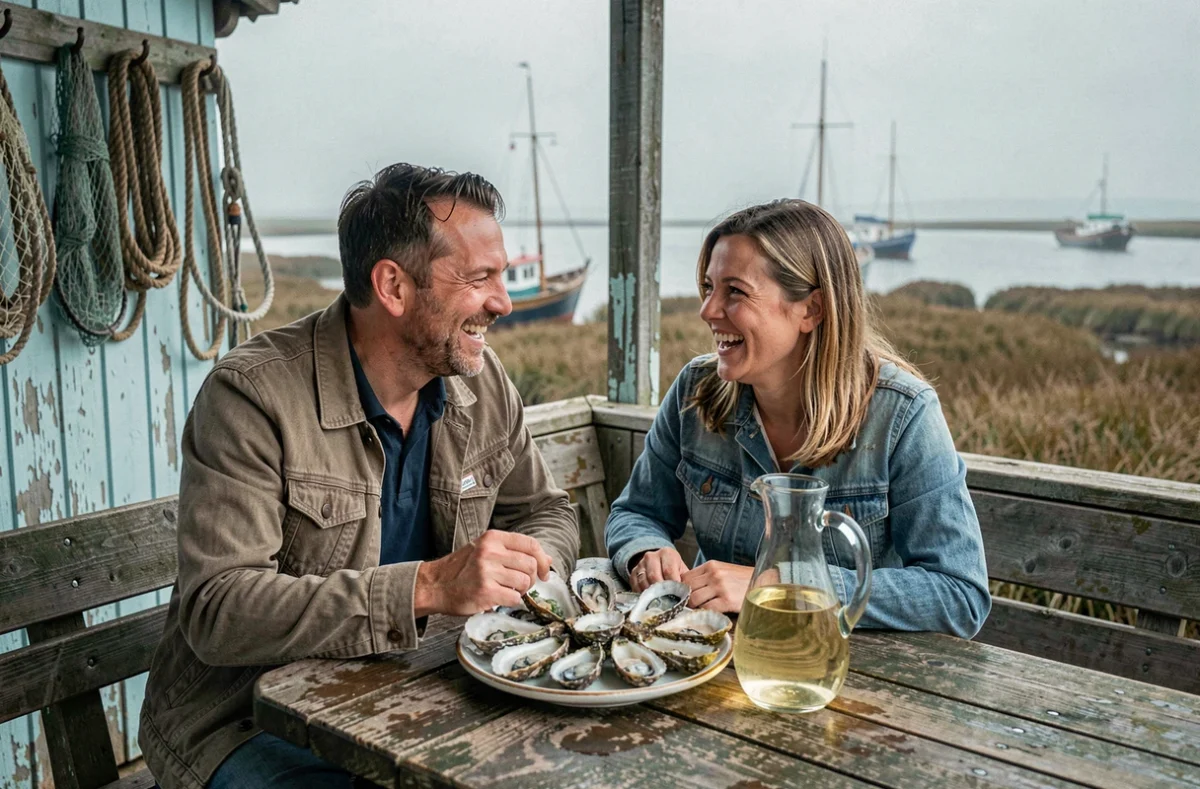
- The ports of southern Morbihan (Auray, Le Bono, Saint-Goustan) combine heritage visits with walks along the ria
Spending half a day at a parish enclosure gives you a clearer understanding of Breton culture than rushing through three towns in a single day. A getaway becomes more rewarding when you slow down.
Planning a trip to Brittany means balancing the coast with the inland, and major sights with discoveries off the beaten track. A flexible itinerary matters more than a long list of places to visit. Keeping one day free of fixed plans, with a backpack and a map of the GR 34, is often the best choice.