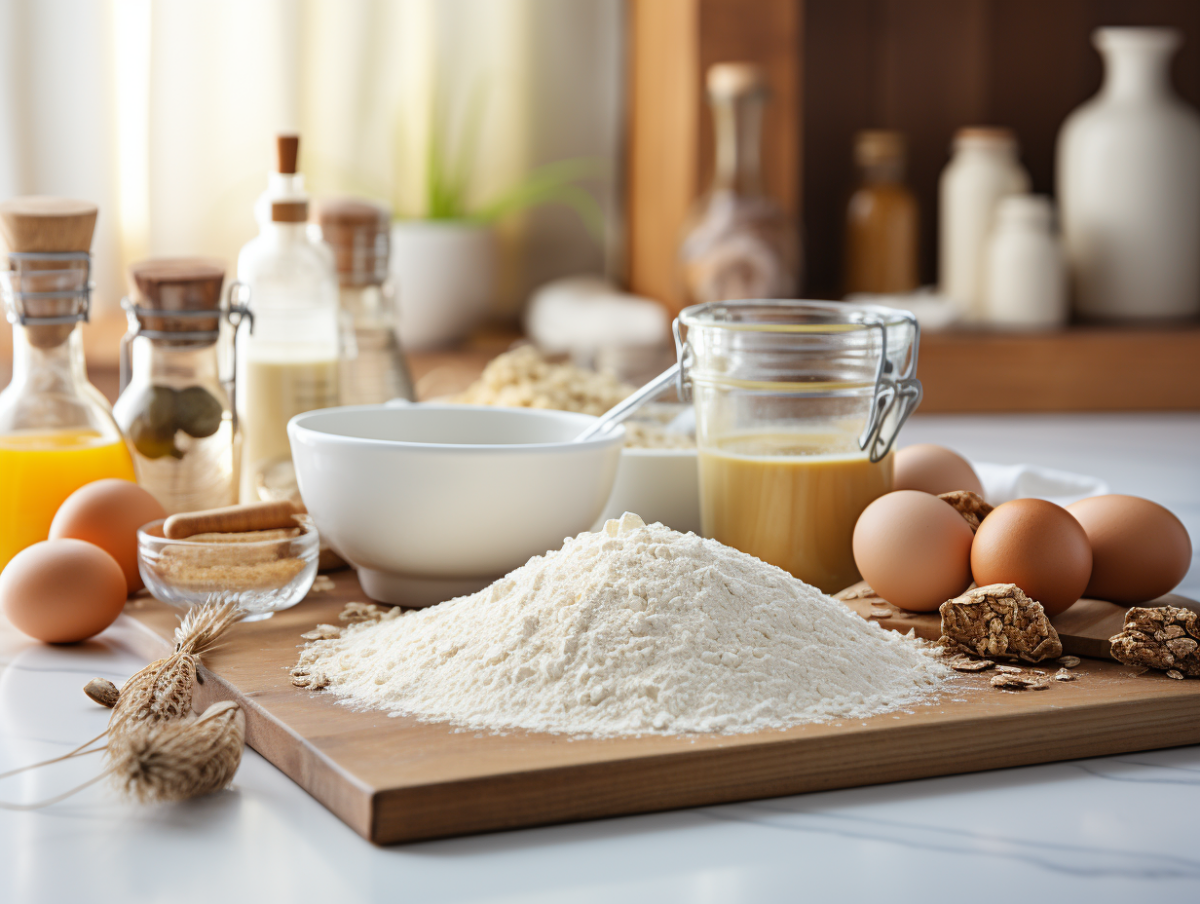
Pastry is a delicate art that combines creativity and precision. For beginners, learning can seem intimidating, but mastering the basics opens the door to a world of sweet delights. Understanding fundamental techniques, from accurately measuring ingredients to mastering cooking temperatures, is essential. Beginners should first familiarize themselves with simple recipes like muffins or cookies, which build skills and confidence. Well-equipped with a good oven, quality molds, and a pinch of patience, aspiring pastry chefs can gradually take on more complex challenges like making cakes and puff pastry.
The Essentials of Pastry to Get Started
Pastry, this art that requires knowledge of techniques and recipes, fascinates and calls for a certain rigor. For novices, acquiring basic know-how is the first step toward mastering sweet treats. Start by familiarizing yourself with the types of dough: soft, dry, and leavened doughs, each crowning a wide range of desserts. Then, explore the types of creams: pastry cream, English cream, and mousseline, whose different ingredients compose the soul of many creations.
You need to equip yourself with reliable pastry books, such as ‘Pâtisserie, L’ultime référence’ or ‘Le grand manuel du pâtissier’, which contain a wealth of recipes and techniques. Renowned authors and chefs, such as Christophe Felder, Pierre Hermé, and Mélanie Dupuis, share their expertise in these works, offering beginners the keys to success. ‘Les Recettes Légères de Chrissy’, for example, can be an excellent choice for those looking to combine indulgence and lightness.
To practice pastry, certain utensils and equipment are necessary. A sturdy whisk, a high-performance stand mixer, and a precise electronic scale are the undisputed allies of the aspiring pastry chef. These tools allow for accurate handling of ingredients, a sine qua non condition for results that meet expectations.
Basic recipes are the foundation upon which all pastry chefs rely to create stunning desserts. Master them, and you will possess the foundations on which to build an infinite number of variations. Regular practice and analysis of techniques will lead you, step by step, toward excellence. Patience and perseverance will turn mistakes into valuable lessons, and successes into sources of pride.
Techniques and Tips for Success in Pastry
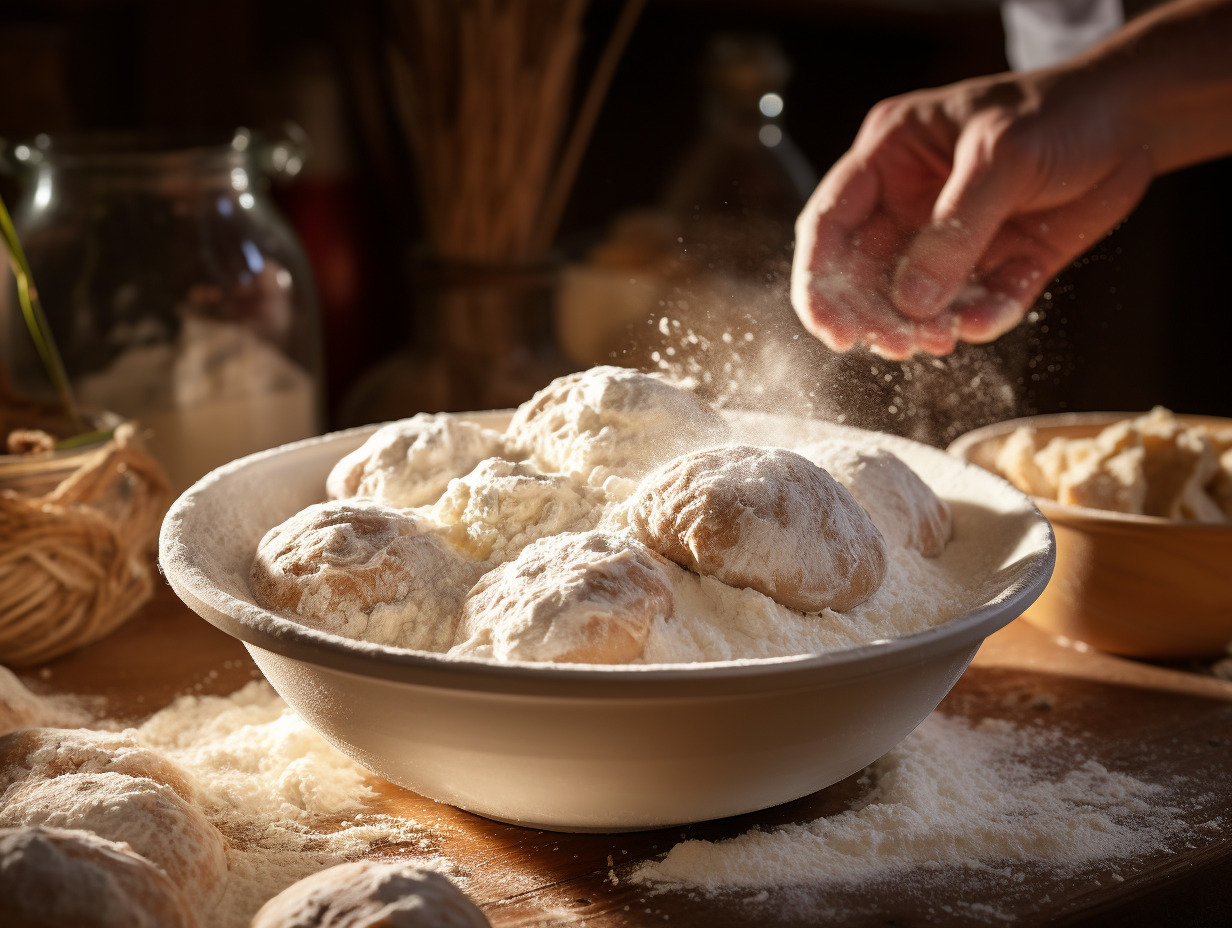
At the heart of pastry, techniques are as diverse as the recipes themselves. For beginners, mastering the art of rolling out dough is among the fundamental skills. Whether you are working with puff pastry or shortcrust pastry, the quality of the roll-out determines the final result. An even thickness and a smooth surface are the ambitions of every pastry chef.
When it comes to eggs, the technique for whipping combines yolks and sugar until a frothy consistency is achieved, an essential step for many creams and mixtures. Patience and precision are your best allies in this quest for lightness. Similarly, clarifying butter to remove impurities enriches your preparations with an unparalleled texture and flavor.
Learning would not be complete without some training. Online pastry courses offer a comprehensive overview of the methods and subtleties of the craft. These programs, often led by renowned chefs, represent a wise investment for those aspiring to excel in the art of pastry.
And finally, using specific tools like the piping bag requires a dexterity that only practice can provide. Whether you are piping choux, macarons, or elaborate decorations, mastering the piping bag transforms pastry into a display of precision and creativity. Take the time to practice these fundamentals, and you will see your desserts elevate from amateur status to true works of art.